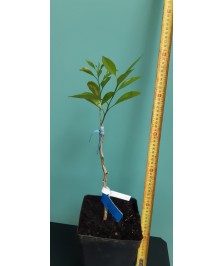
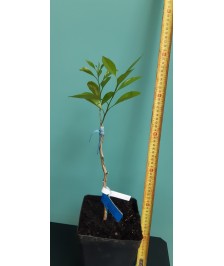
Hyuganatsu – Late Japanese citrus, fresh fragrance and edible albedo
€33.76
Tax included
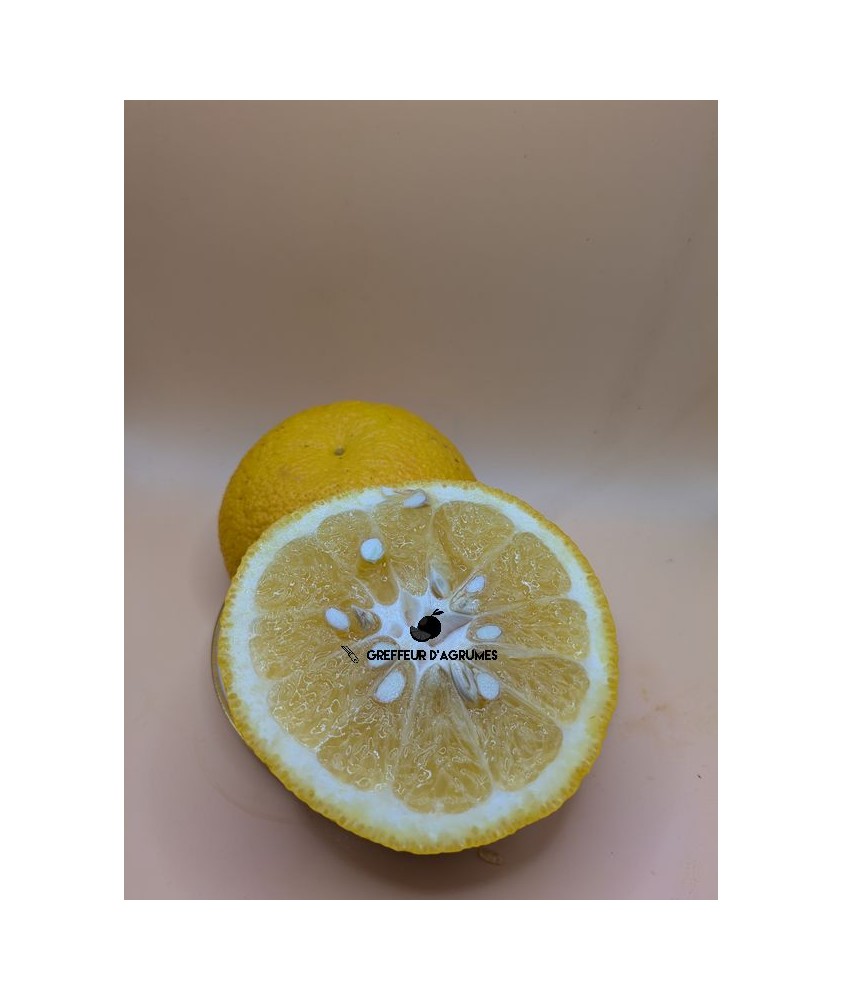
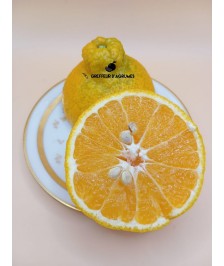
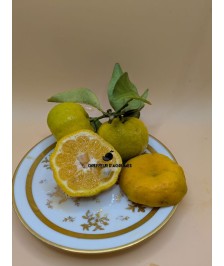
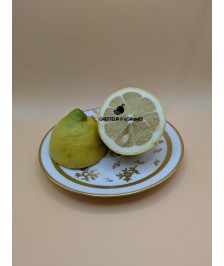
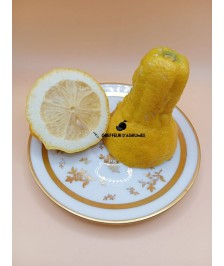
Hyûganatsu (Citrus tamurana) est un agrume japonais originaire de Miyazaki. Son fruit jaune, frais et acidulé possède une particularité remarquable : son albédo blanc est doux et traditionnellement consommé avec la pulpe.
-9 °C — established, acclimatised plant, during a brief frost
Harvest
Late winter to spring
Fruit
Medium, pale yellow
Seeds
Present on the classic type
Juiciness
High
Flavour
Fresh, sweet-tart
Distinctive feature
Mild white albedo, eaten with the flesh
Uses
Fresh fruit, desserts, juice, cooking
Pollination
The classic type is self-incompatible
Vigour
Moderate to strong
About Hyuganatsu
Discovered in Japan in the nineteenth century, Hyuganatsu has become one of the emblematic citrus of Miyazaki. Unlike most citrus, the white layer beneath the rind is valued for its mildness and is eaten along with the flesh, balancing its acidity. The classic type is self-incompatible, and cross-pollination improves fruit set — but also brings seeds.
Our observations at the nursery
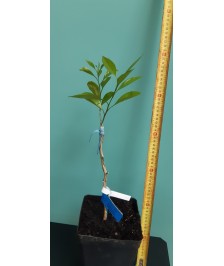
At the nursery, Hyuganatsu comes to maturity in January. We think highly of the eating quality of its fruit.
Hyuganatsu or another variety?
Hyuganatsu stands apart above all for its edible albedo and its fresh profile. It is a very different proposition from the yuzus, whose interest lies more in the zest and the aromatic juice. To go further, see our Japanese citrus category.
Frequently asked questions
Why is the white part of Hyuganatsu eaten?
Its albedo is relatively mild and balances the acidity of the flesh.
Is it self-fertile?
The classic type is strongly self-incompatible; cross-pollination improves fruit set.
Does it have seeds?
Yes. The classic type can carry a good many once pollinated.
When does it ripen?
It is a late citrus, mainly from the end of winter into spring.

 Français
 English
 Deutsch