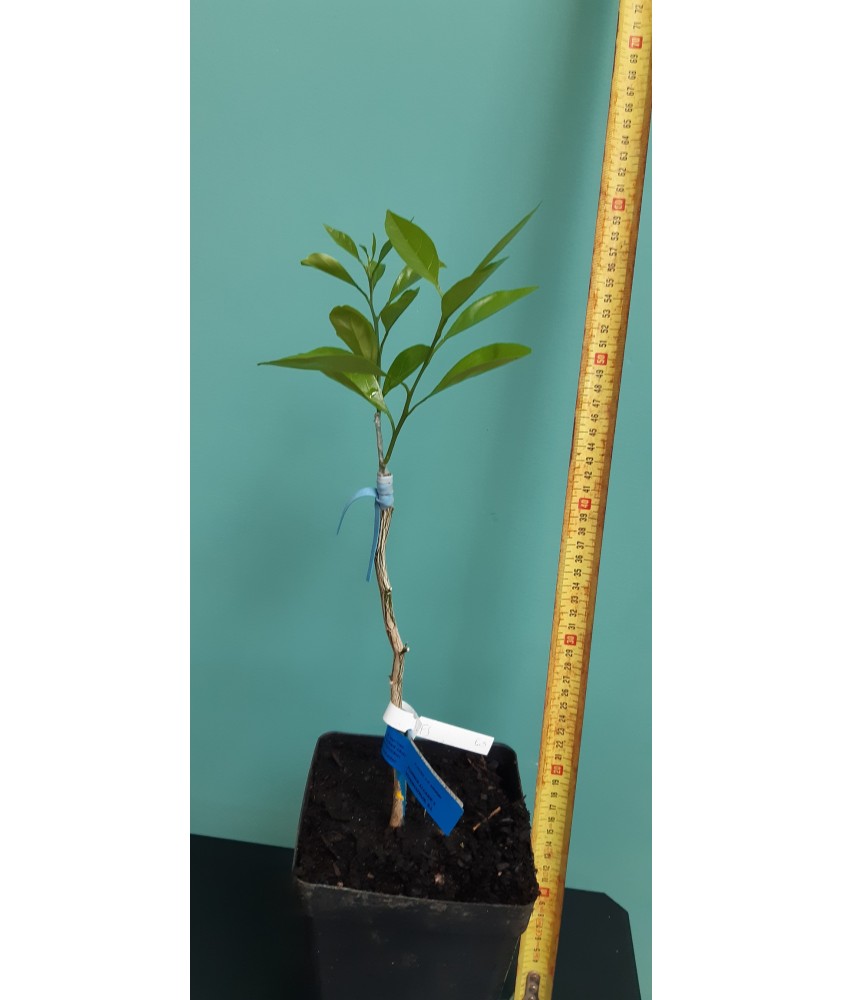
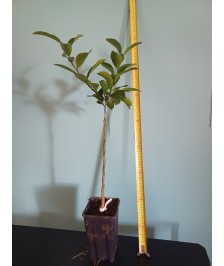
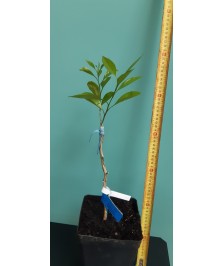
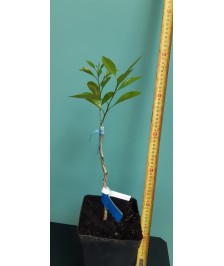
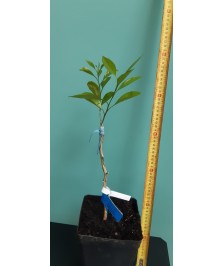
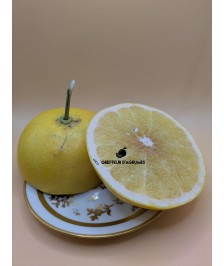
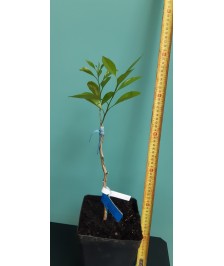
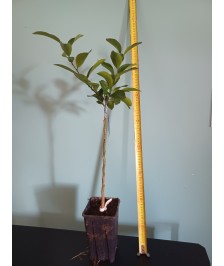
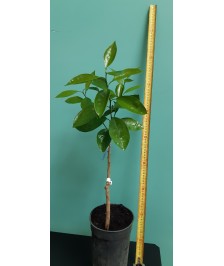
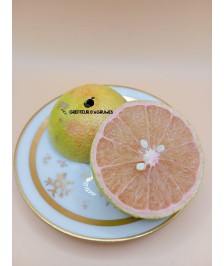
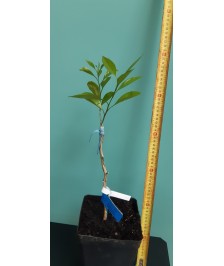
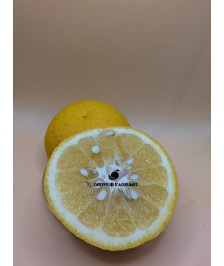
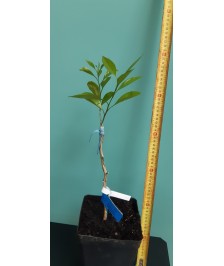
Yuzu Tada Nishiki – Japanese yuzu with very few seeds
€44.31
Tax included
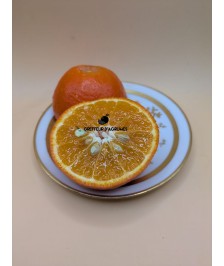
Tada Nishiki (多田錦) est une variété japonaise de yuzu particulièrement recherchée pour ses fruits contenant très peu de pépins, voire aucun selon les conditions de pollinisation. Très juteux et aromatique, il est particulièrement intéressant pour le jus, le ponzu, la cuisine et la transformation.
-12 °C — established, acclimatised plant, during a brief frost
Harvest
October to January
Fruit weight
Around 80 to 100 g
Seeds
Very few to generally none
Juiciness
High
Fragrance
Highly aromatic, typical of yuzu
Uses
Cooking, preserves
Self-fertile
Yes
Vigour
Strong
Thorns
Present
About Yuzu Tada Nishiki
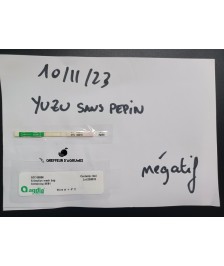
Tada Nishiki is a Japanese yuzu cultivar whose distinguishing feature is its very low seed count. That makes juicing and processing far easier than with the classic yuzu, which is naturally full of seeds. Fruit is usually given at around 80 to 100 g and juices well. The word 'seedless' is not an absolute guarantee, however: the odd seed can appear, depending in particular on pollination conditions.
Our observations at the nursery
Our mother plant of Tada Nishiki is strongly vigorous and carries thorns. Flowering was followed by fruit set three years running. In each of those three years, though, the young fruit dropped during the summer heat before reaching maturity. We have therefore not yet been able to measure fruit weight at maturity, seed count or juice yield on our own crop.
Yuzu Tada Nishiki or another variety?
Tada Nishiki is of particular interest to anyone after a yuzu for juice and processing, with far fewer seeds than a classic yuzu. To go further, see our Japanese citrus category.
Frequently asked questions
Is Tada Nishiki genuinely seedless?
It has a reputation for bearing fruit with no seeds, or very few. The odd seed can still turn up now and again.
How does it differ from a classic yuzu?
Chiefly in its very low seed count, combined with a good yield of juice.
When should it be harvested?
Mainly from October to January, varying with climate and growing conditions.

 Français
 English
 Deutsch