• On sale!
  • Still growing
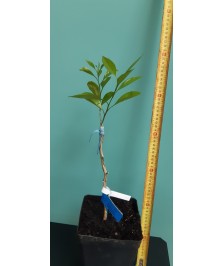
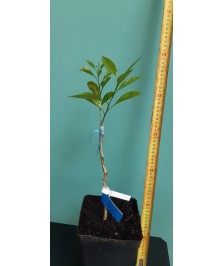
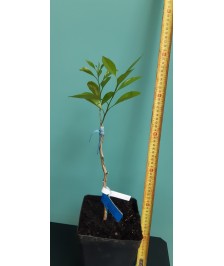
Sanbokan – Late Japanese citrus
  • On sale!
  • Still growing

Sanbokan – Late Japanese citrus

€35.00
Tax included

Shipping: €13.90 for 1 plant, €18.90 for 2, €27.90 for 3 (Pickup point, one parcel). Free collection from the nursery, by appointment. Details

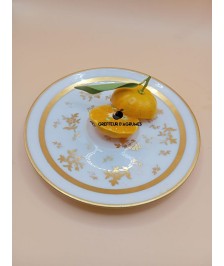
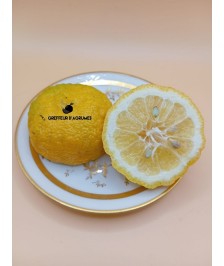
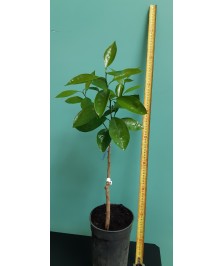
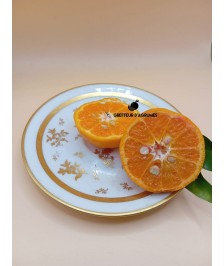
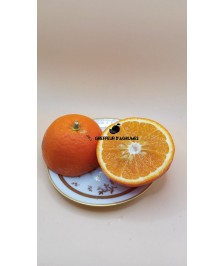
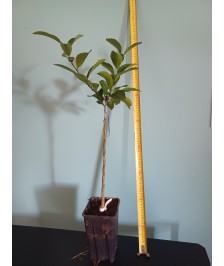
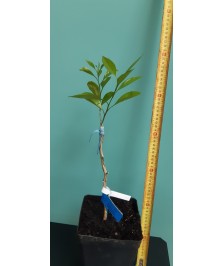
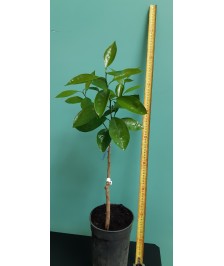
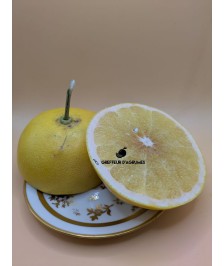
Sanbokan is recognisable by its prominent neck and relatively thick yellow rind.

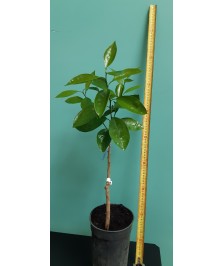
Rootstock and pot size : Poncirus 2.5L (€35.00) (Out of stock)​
Quantity

Still growing

Delivery charges within France

1 plant23
Delivery to a DPD Pickup point€13.90€18.90€27.90
Home delivery, DPD Predict with time slot€20.90€27.90€36.90

Click & Collect - retrait à la pépinière: free of charge.

Shipping is charged per parcel, not per plant: several plants travel in the same box. Rates abroad and beyond three plants are shown in the basket, before any payment.

Hard-to-reach mountain villages carry a carrier surcharge of €8.48. It appears in the basket, before any payment.

We charge shipping at cost, with no margin added. If you know a cheaper option for your address, write to us — we are genuinely interested.

  • Dispatched on Mondays by DPD, to a Pickup point or to your door, in France and the European Union (Delivery)
  • Collection from the nursery possible, by appointment
  • Nursery in its final year of conversion to organic farming, inspected by ECOCERT (FR-BIO-01)
  • Mother plants regularly tested for tristeza
  • Need advice before choosing? Write to us
Sanbokan at a glance

TypeLate Japanese citrus
Botanical name / groupCitrus sulcata ‘Sanbokan’
Indicative hardiness-10 °C — established, acclimatised plant, during a brief frost
UsesDessert fruit, juice

About Sanbokan

Sanbokan is recognisable by its prominent neck and relatively thick yellow rind. This late Japanese citrus, traditionally grown in Japan, bears large fruit with a mild flavour and enjoyable flesh, although it can contain many seeds.

Sanbokan or another variety?

Sanbokan is rated at -10 °C, like Shunkokan, another Japanese citrus with yellow fruit and fairly thick skin; among the late Japanese citrus in our range, Natsudaidai and Hyûganatsu are rated at -9 °C. To explore further, see our “Japanese citrus” category.

Frequently asked questions

How can Sanbokan be recognised?

By its prominent neck and relatively thick yellow rind.

Does it have seeds?

It can contain many.

How is the fruit used?

As a dessert fruit and for juice.

: A0-2L-03-6116

Data sheet

Hardiness
-10 °C
Botanical name
Citrus sulcata 'Sanbokan'
New variety
Yes
Ripening period
January / February
March to June
Fruit use
Fresh eating
Juice / drinks

Customers who bought this product also bought: