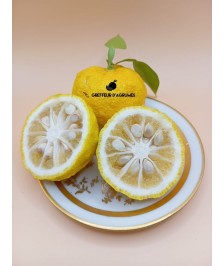
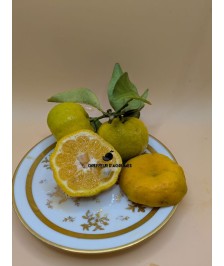
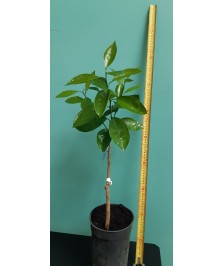
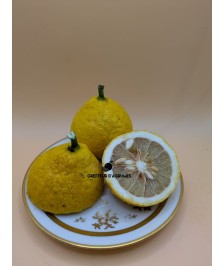
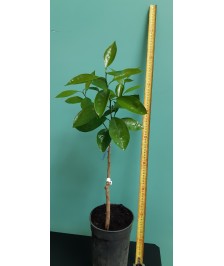
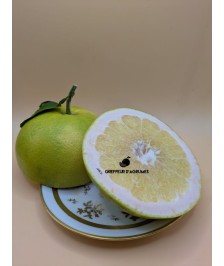
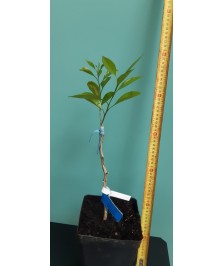
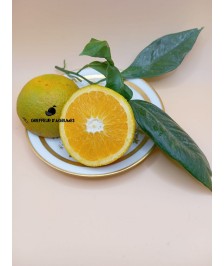
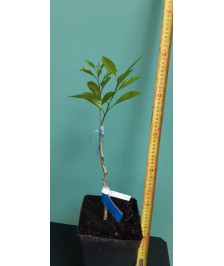
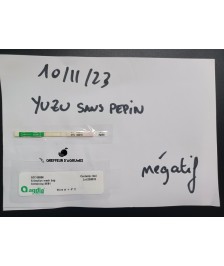
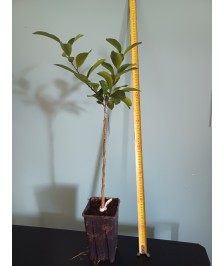
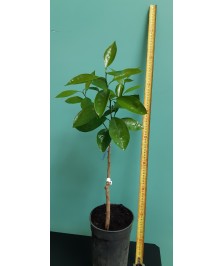
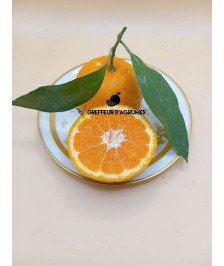
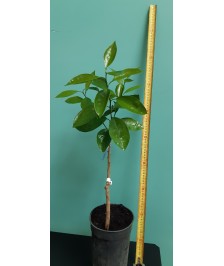
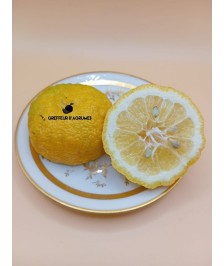
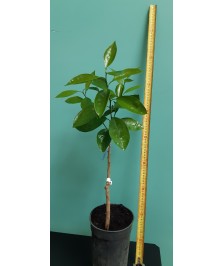
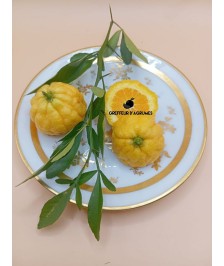
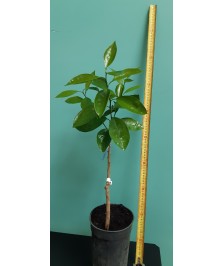
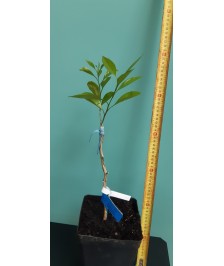
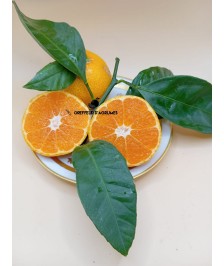
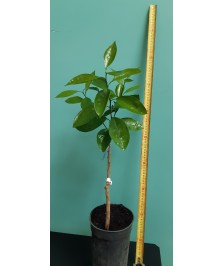
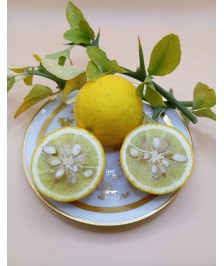
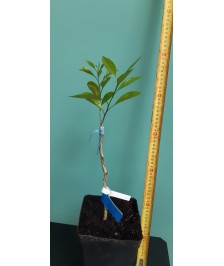
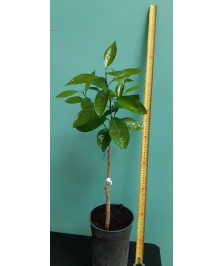
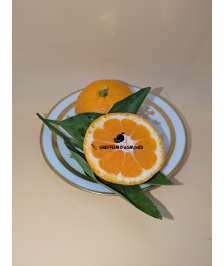
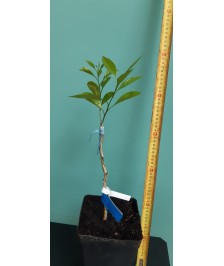
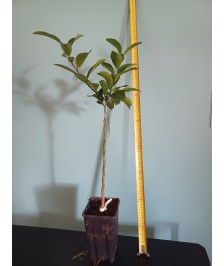
Yuzu 3 develops a powerful fragrance at our nursery, with a light note reminiscent of bergamot.
Hardy citrus
A hardy citrus is one that can spend the winter outdoors, in open ground, where the thermometer drops well below zero. Every variety on this page is rated to withstand -10 °C or lower once mature and acclimatised, according to the hardiness given on its product page. They are grafted here, at our nursery in Lavernose, south of Toulouse, where we watch our citrus in open ground winter after winter.
-5, -10, -15 °C: three thresholds to choose by
- Around -5 °C: lemons, limes, kaffir lime. Grow them in pots and bring them in for winter, or in open ground only on the mildest coasts.
- Around -8 °C: most oranges, clementines, tangors and grapefruit. Possible in open ground in south-west France in a sheltered spot, with protection in hard winters.
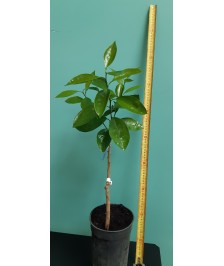
- -10 to -12 °C: satsumas, yuzu, kumquats and several Japanese and Chinese mandarins. The safe choices for open ground around Toulouse.
- -14 to -15 °C: Poncirus hybrids (citranges, citrangequat, Trivoss) and Poncirus itself. The most cold-resistant, with fruit that is often sharper, mainly for cooking.
Hardiness is more than a number
The temperature on a product page is a guide, not a guarantee. In the field, the same variety can come through -10 °C without a damaged leaf one year and suffer at -7 °C another. What makes the difference: the weeks before the cold snap (gradual cooling hardens the tree, a sudden frost after a mild autumn catches it out), how long the frost lasts, the wind that follows, and above all how fast it thaws. The damage comes from the freeze-thaw cycle at cell level; a quick thaw in full sun is the most destructive. As long as water is freezing in and around the tissues, it releases heat that holds them near 0 °C, so a short frost does less harm than a long one. Symptoms often only show a few weeks later.
All this is covered in detail on our page understanding citrus hardiness.
The rootstock matters as much as the variety
A grafted citrus lives on the roots of its rootstock. For open ground in a cold area, choose a rootstock that goes dormant in winter and does not restart too early in spring: that is the case with Poncirus trifoliata, which drops its leaves and so protects the grafted variety. The rootstock should be at least as hardy as the scion. Each product page lists the rootstocks available; to match climate and soil, read how to choose a rootstock.
Planting and protecting in open ground
- Choosing the spot comes first. Look for the places that thaw first in the morning and plant there: a south-facing slope, the shelter of a wall, a windbreak hedge. Avoid hollows where cold air settles.
- Free-draining soil: roots sitting in water in winter weaken the tree. Covered ground (mulch, ground cover) also limits heat loss.
- Prepare for winter from late summer: stop nitrogen in autumn, cut back watering at the end of the season, avoid hard pruning before winter and keep the volume. A tree with moderate vigour and tissues that are not waterlogged copes better.
- In the first winters, protect young plants during hard frosts (winter fleece, removed when it turns mild). In pots, the roots are far more exposed than in the ground.
- Pick the right kind of citrus: a satsuma is clearly more resistant than an orange or a classic mandarin.
Our hardy citrus, by hardiness threshold
The varieties on this page are those whose product page gives -10 °C or lower. To see the whole catalogue from a given threshold, use the hardiness filter: citrus rated -10 °C and below, -12 °C and below, -15 °C. Hardiness ratings are reviewed every year from what we observe in open ground, and the filter always follows the current value on each product page. Varieties rated -8 and -9 °C, possible in a good spot, are in their families under Citrus.
Torn between two varieties for your garden? Write to us with your town and the lowest temperature recorded in recent years, especially during the February 2012 cold spell, which remains the benchmark.
Morton belongs to the citranges, crosses between sweet orange and trifoliate orange.
Keraji Voss D14 is offered under a specific selection name.
At our nursery, Trivoss No. 1 stands out for excellent observed cold tolerance and late-December ripening.
Welker joins our grapefruit range for enthusiasts wishing to compare several selections.
Newhall is an early Navel orange, often slightly more elongated than Washington Navel.
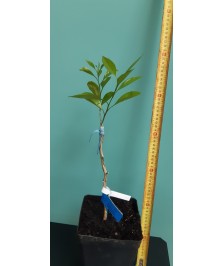
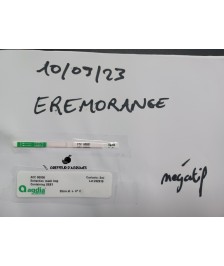
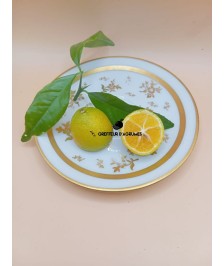
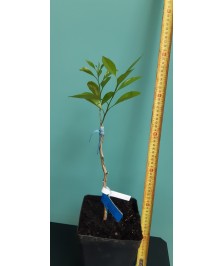
Eremorange combines Australian desert lime and sweet orange.
Thomasville is a citrangequat combining citrange and kumquat ancestry.
Tada Nishiki is valued for its very low seed count, an advantage when juicing and processing yuzu.
Saint Anne is offered in the early satsuma collection.
Miyagawa is an early Japanese satsuma appreciated for juicy, easy-peeling mandarins.
Shekwasha is a small Japanese citrus used for its fragrant, tart juice.
Yuzu 30 is another selection for enjoying yuzu fragrance in the garden and kitchen.
FA5, or Forner-Alcaide 5, is a citrus rootstock.
Ermelo orange brings a Portuguese selection to the sweet-orange collection.
Okitsu combines sweet, juicy flesh with the easy peeling typical of satsumas.
Trifoliate orange is deciduous, with leaves divided into three leaflets, and is used as a rootstock and seed source.
Citrangeremo stands out at our nursery for moderate growth and very good tolerance of cold and drought.
Owari FS offers easy-peeling mandarins to enjoy segment by segment.
Silverhill is an Owari-type satsuma with easy-peeling, generally seedless fruit.