


In the Pyrénées-Orientales, the winter cold is completely different between the sea and the mountains. One winter in ten, it falls to about −2 °C on the Côte Vermeille, −6 °C around Perpignan and in the lower valleys, −9 °C in the Conflent and −15 °C in the Cerdagne and the Capcir.
We went through thirty winters of Météo-France records, from 1996 to 2026, and compared them with the hardiness of each of our plants. Choose your area below. You will find:
- the citrus trees that spend the winter outdoors without protection;
- those that need a fleece on frosty nights;
- those that stay in a pot.
The lists are kept up to date: only the plants available today are shown with a photo.
- −5 °C or milder
- −6 to −7 °C
- −8 to −9 °C
- −10 to −11 °C
- −12 to −13 °C
- −14 to −15 °C
- −16 to −17 °C
- −18 to −19 °C
- −20 °C and colder
Colour: the cold of one winter in ten, on the plain. Click on a neighbouring département to see its page. Map of the whole of France.
Choose your area:
−2 °Cone winter in ten
Côte Vermeille
Collioure, Port-Vendres, Banyuls-sur-Mer, Cerbère
See the citrus trees for this area
The rocky coast, where the Pyrenees plunge into the sea, is the mildest part of the département: −2 °C one winter in ten at Cap Béar, and there is no frost in an ordinary winter. All our citrus trees spend the winter outdoors here, lemon trees included. Choose according to the lowest temperature in your garden: on higher ground, the cold increases quickly. Shelter them from the tramontane and the salt spray; the soil is often acid.
Cap Béar (Port-Vendres)
The soil of the area and the rootstock
According to the soil map, this area mostly has thin acid soils, anthroposol and very thin soils over rock. In practice, the soil is often acid.
Rootstocks to favour: Poncirus, then 4475.
Your plot may be different. Look at the Géoportail soil map (in French) around your home, then refine with our 5-step test.
In open ground, without protection
They withstand −2 °C. In the first years, a fleece on nights below −5 °C is a sensible precaution.
-
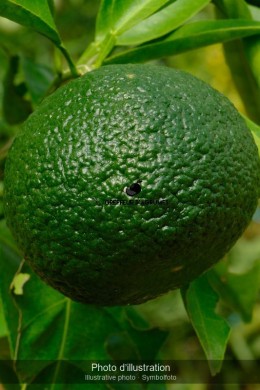 Satsuma China S-2
down to −12 °C · €41.00
-
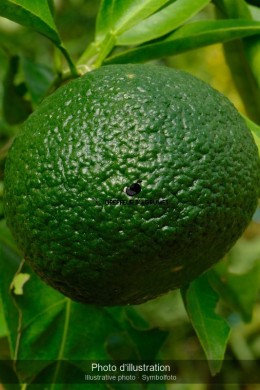 Ermelo Orange
down to −10 °C · €47.00
-
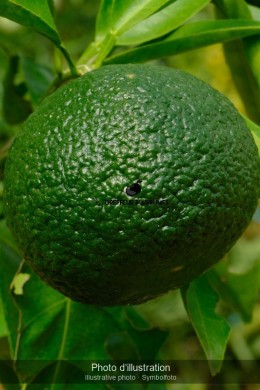 Changsha Mandarin
down to −12 °C · €38.00
-
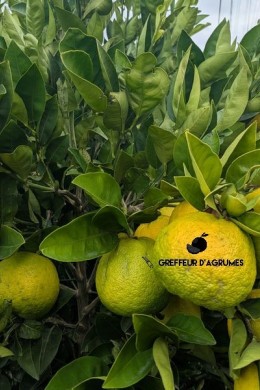 Changshan Huyou
down to −11 °C · €38.00
-
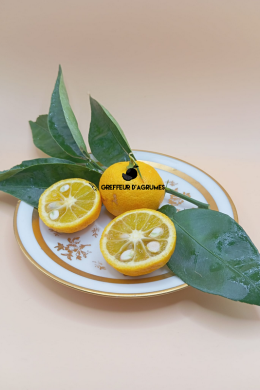 Sudachi Seneca
down to −12 °C · €42.00
-
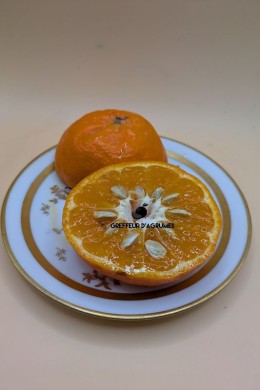 Orisa 9 Tangor
down to −9 °C · €41.00
-
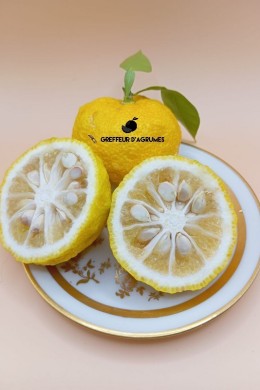 Yuzu 3
down to −15 °C · €38.00
-
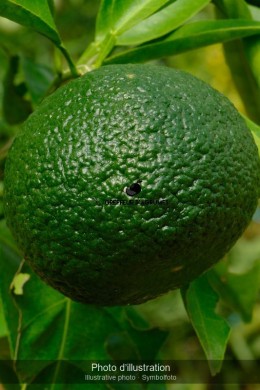 Fukushu Kumquat
down to −10 °C · €32.30
See all 73 available plants that withstand −2 °C
Sold out for now: 46 other plants
On their page, “Notify me” lets you know when they are back: Ambersweet, Auline, Bendizao Mandarin, Corsican Mountain Orange, Dom Joao Orange, Fragola Orange, Hana Yuzu, Haruka, Harumi, Hassaku, Hyuganatsu, Iyo Mikan Tangor, Jabara, Juanita Mandarin, Kino Kuni Mikakukishu Mandarin, Mandalate Mandarin, Mapo Tangelo, Meiwa Kumquat, Minneola, Moro Orange, Nameiwa Kumquat, Natsudaidai, Ota 38 Tangor, Rio Red Grapefruit, Salustiana Orange, Sanbokan, Satsuma China S-3, Satsuma Dobashi Beni, Satsuma Iwasaki, Satsuma Kowano, Satsuma Louisiana, Satsuma Miho, Satsuma Pucheng, Satsuma Saigon, Satsuma Waze, Sciara x Clem Blood Tangor, Seminole, Setubalense Mandarin, Shunkokan, Thornless Yuzu, US SuperNa, Ugli, Vaniglia Sanguigno Orange, Wekiwa Tangelolo, Yuzu, Z194 Ichangensis x Sinensis.
In open ground, with a fleece on frosty nights
They withstand 1 °C. A winter fleece put on at each frost and removed as soon as the frost stops, and a sheltered spot against a south-facing wall.
No plant available in this range for now.
The others: in a pot, brought in for the winter
Lemons, limes and less hardy citrus (more tender than 1 °C): in a large pot, outdoors from spring to autumn and brought into a bright, frost-free room for the winter. All our citrus trees.
−6 °Cone winter in ten
Vallespir, Aspres and Fenouillèdes
Céret, Le Boulou, Amélie-les-Bains-Palalda, Arles-sur-Tech, Le Perthus, Saint-Paul-de-Fenouillet, Maury
See the citrus trees for this area
The lower valleys of the Tech and the Agly, and the Aspres, between 250 and 300 m: −6 °C one winter in ten and −3 °C in an ordinary winter. Vivès stays at −4.9 °C, Saint-Paul-de-Fenouillet falls to −6.6 °C. Orange trees, clementines, satsumas, yuzus, kumquats and citranges spend the winter outdoors here without protection; lemon trees too, with a fleece at each frost, against a south-facing wall. The soil is often acid.
Amélie-les-Bains
The soil of the area and the rootstock
According to the soil map, this area mostly has thin acid soils, ordinary brown soils and shallow chalky soils. In practice, the soil is often acid.
Rootstocks to favour: Poncirus, then 4475.
Your plot may be different. Look at the Géoportail soil map (in French) around your home, then refine with our 5-step test.
In open ground, without protection
They withstand −6 °C. In the first years, a fleece on nights below −5 °C is a sensible precaution.
-
Satsuma China S-2
down to −12 °C · €41.00
-
Ermelo Orange
down to −10 °C · €47.00
-
Changsha Mandarin
down to −12 °C · €38.00
-
Changshan Huyou
down to −11 °C · €38.00
-
Sudachi Seneca
down to −12 °C · €42.00
-
Orisa 9 Tangor
down to −9 °C · €41.00
-
Yuzu 3
down to −15 °C · €38.00
-
Fukushu Kumquat
down to −10 °C · €32.30
See all 65 available plants that withstand −6 °C
Sold out for now: 46 other plants
On their page, “Notify me” lets you know when they are back: Ambersweet, Auline, Bendizao Mandarin, Corsican Mountain Orange, Dom Joao Orange, Fragola Orange, Hana Yuzu, Haruka, Harumi, Hassaku, Hyuganatsu, Iyo Mikan Tangor, Jabara, Juanita Mandarin, Kino Kuni Mikakukishu Mandarin, Mandalate Mandarin, Mapo Tangelo, Meiwa Kumquat, Minneola, Moro Orange, Nameiwa Kumquat, Natsudaidai, Ota 38 Tangor, Rio Red Grapefruit, Salustiana Orange, Sanbokan, Satsuma China S-3, Satsuma Dobashi Beni, Satsuma Iwasaki, Satsuma Kowano, Satsuma Louisiana, Satsuma Miho, Satsuma Pucheng, Satsuma Saigon, Satsuma Waze, Sciara x Clem Blood Tangor, Seminole, Setubalense Mandarin, Shunkokan, Thornless Yuzu, US SuperNa, Ugli, Vaniglia Sanguigno Orange, Wekiwa Tangelolo, Yuzu, Z194 Ichangensis x Sinensis.
In open ground, with a fleece on frosty nights
They withstand −3 °C. A winter fleece put on at each frost and removed as soon as the frost stops, and a sheltered spot against a south-facing wall.
-
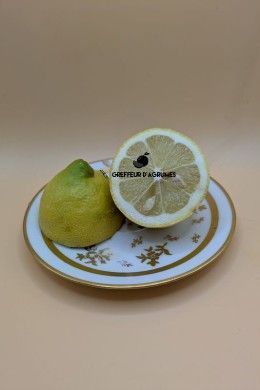 Eureka Lemon
down to −5 °C · €29.75
-
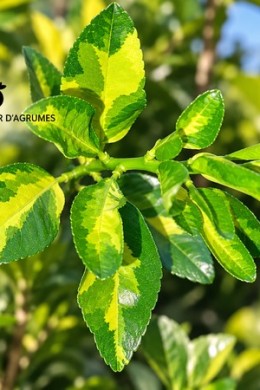 Lightly Variegated Tahiti Lime
down to −3 °C · €36.55
-
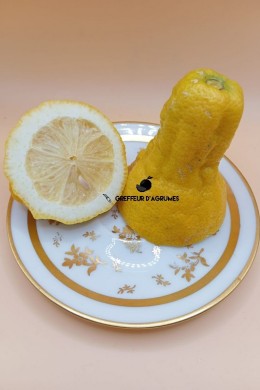 Lunario Lemon
down to −5 °C · €29.75
-
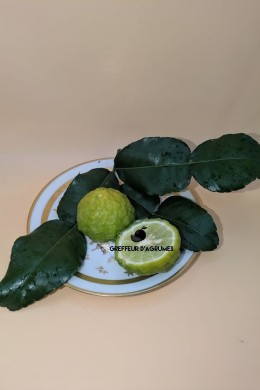 Makrut Lime
down to −5 °C · €32.30
-
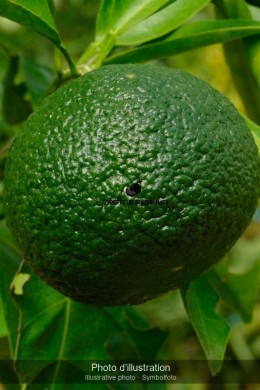 Menton Lemon
down to −5 °C · €34.85
-
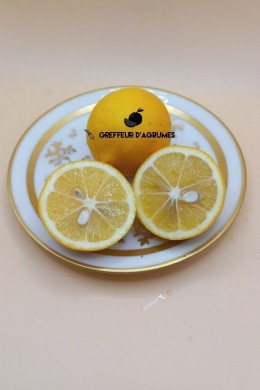 Meyer Lemon
down to −5 °C · €38.00
-
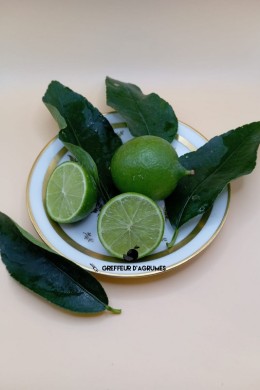 Tahiti Lime
down to −5 °C · €35.00
-
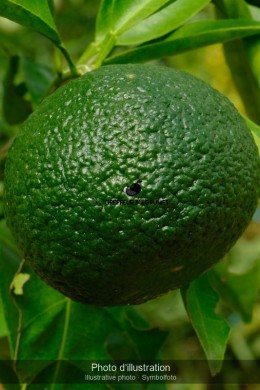 Verna Lemon
down to −5 °C · €35.00
The others: in a pot, brought in for the winter
Lemons, limes and less hardy citrus (more tender than −3 °C): in a large pot, outdoors from spring to autumn and brought into a bright, frost-free room for the winter. All our citrus trees.
−6 °Cone winter in ten
Perpignan and the Roussillon plain
Perpignan, Rivesaltes, Canet-en-Roussillon, Saint-Cyprien, Elne, Argelès-sur-Mer, Torreilles, Saint-Laurent-de-la-Salanque
See the citrus trees for this area
The Roussillon plain, from Perpignan to the sea: −6 °C one winter in ten and −4 °C in an ordinary winter. Near the coast, the plain is not milder: Torreilles falls to −7.0 °C, while Perpignan stays at −5.7 °C. Orange trees, clementines, satsumas, yuzus, kumquats and citranges spend the winter outdoors here without protection; lemon trees too, with a fleece at each frost. Shelter them from the tramontane; the soil is sometimes salty near the coast.
Torreilles
The soil of the area and the rootstock
According to the soil map, this area mostly has river alluvium, sodisalisol and fersialsol. In practice, the soil is often silty and salty (sea spray, marshes).
Rootstocks to favour: C35, then FA5.
Your plot may be different. Look at the Géoportail soil map (in French) around your home, then refine with our 5-step test.
In open ground, without protection
They withstand −6 °C. In the first years, a fleece on nights below −5 °C is a sensible precaution.
-
Satsuma China S-2
down to −12 °C · €41.00
-
Ermelo Orange
down to −10 °C · €47.00
-
Changsha Mandarin
down to −12 °C · €38.00
-
Changshan Huyou
down to −11 °C · €38.00
-
Sudachi Seneca
down to −12 °C · €42.00
-
Orisa 9 Tangor
down to −9 °C · €41.00
-
Yuzu 3
down to −15 °C · €38.00
-
Fukushu Kumquat
down to −10 °C · €32.30
See all 65 available plants that withstand −6 °C
Sold out for now: 46 other plants
On their page, “Notify me” lets you know when they are back: Ambersweet, Auline, Bendizao Mandarin, Corsican Mountain Orange, Dom Joao Orange, Fragola Orange, Hana Yuzu, Haruka, Harumi, Hassaku, Hyuganatsu, Iyo Mikan Tangor, Jabara, Juanita Mandarin, Kino Kuni Mikakukishu Mandarin, Mandalate Mandarin, Mapo Tangelo, Meiwa Kumquat, Minneola, Moro Orange, Nameiwa Kumquat, Natsudaidai, Ota 38 Tangor, Rio Red Grapefruit, Salustiana Orange, Sanbokan, Satsuma China S-3, Satsuma Dobashi Beni, Satsuma Iwasaki, Satsuma Kowano, Satsuma Louisiana, Satsuma Miho, Satsuma Pucheng, Satsuma Saigon, Satsuma Waze, Sciara x Clem Blood Tangor, Seminole, Setubalense Mandarin, Shunkokan, Thornless Yuzu, US SuperNa, Ugli, Vaniglia Sanguigno Orange, Wekiwa Tangelolo, Yuzu, Z194 Ichangensis x Sinensis.
In open ground, with a fleece on frosty nights
They withstand −3 °C. A winter fleece put on at each frost and removed as soon as the frost stops, and a sheltered spot against a south-facing wall.
-
Eureka Lemon
down to −5 °C · €29.75
-
Lightly Variegated Tahiti Lime
down to −3 °C · €36.55
-
Lunario Lemon
down to −5 °C · €29.75
-
Makrut Lime
down to −5 °C · €32.30
-
Menton Lemon
down to −5 °C · €34.85
-
Meyer Lemon
down to −5 °C · €38.00
-
Tahiti Lime
down to −5 °C · €35.00
-
Verna Lemon
down to −5 °C · €35.00
The others: in a pot, brought in for the winter
Lemons, limes and less hardy citrus (more tender than −3 °C): in a large pot, outdoors from spring to autumn and brought into a bright, frost-free room for the winter. All our citrus trees.
−9 °Cone winter in ten
Conflent and upper Vallespir
Prades, Eus, Vinça, Villefranche-de-Conflent, Baillestavy, Serralongue, Prats-de-Mollo-la-Preste
See the citrus trees for this area
The Conflent and the upper Vallespir, from 320 to 700 m: −9 °C one winter in ten and −7 °C in an ordinary winter. Eus, near Prades, falls to −10.1 °C, lower than Serralongue, at 700 m (−8.9 °C). Satsumas, yuzus, kumquats, citranges and the hardiest clementines spend the winter outdoors here; orange trees and the other clementines need a fleece on frosty nights, against a south-facing wall. Lemon trees stay in pots. The soil is sometimes chalky.
Eus
The soil of the area and the rootstock
According to the soil map, this area mostly has ordinary brown soils and river alluvium. In practice, the soil is often chalky.
Rootstocks to favour: FA5, then C35.
Your plot may be different. Look at the Géoportail soil map (in French) around your home, then refine with our 5-step test.
In open ground, without protection
They withstand −9 °C. In the first years, a fleece on nights below −5 °C is a sensible precaution.
-
Satsuma China S-2
down to −12 °C · €41.00
-
Ermelo Orange
down to −10 °C · €47.00
-
Changsha Mandarin
down to −12 °C · €38.00
-
Changshan Huyou
down to −11 °C · €38.00
-
Sudachi Seneca
down to −12 °C · €42.00
-
Orisa 9 Tangor
down to −9 °C · €41.00
-
Yuzu 3
down to −15 °C · €38.00
-
Fukushu Kumquat
down to −10 °C · €32.30
See all 38 available plants that withstand −9 °C
Sold out for now: 31 other plants
On their page, “Notify me” lets you know when they are back: Ambersweet, Auline, Bendizao Mandarin, Corsican Mountain Orange, Hana Yuzu, Haruka, Harumi, Hyuganatsu, Jabara, Juanita Mandarin, Kino Kuni Mikakukishu Mandarin, Mapo Tangelo, Meiwa Kumquat, Minneola, Nameiwa Kumquat, Natsudaidai, Rio Red Grapefruit, Sanbokan, Satsuma China S-3, Satsuma Dobashi Beni, Satsuma Iwasaki, Satsuma Kowano, Satsuma Louisiana, Satsuma Miho, Satsuma Pucheng, Satsuma Saigon, Satsuma Waze, Setubalense Mandarin, Shunkokan, Thornless Yuzu, Yuzu.
In open ground, with a fleece on frosty nights
They withstand −6 °C. A winter fleece put on at each frost and removed as soon as the frost stops, and a sheltered spot against a south-facing wall.
-
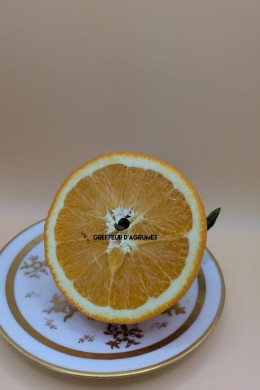 Fukumoto Orange
down to −8 °C · €35.00
-
 Fina Clementine
down to −8 °C · €29.75
-
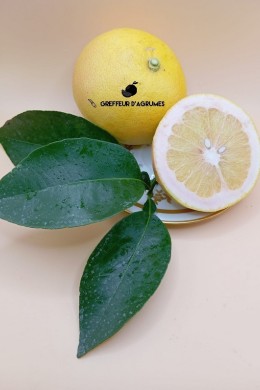 Enzo Grapefruit
down to −8 °C · €35.00
-
 Murcott Tangor
down to −8 °C · €35.00
-
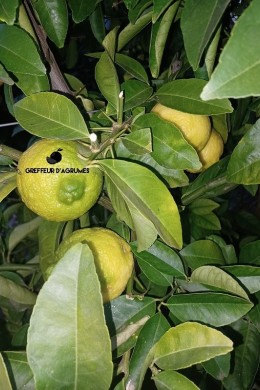 Citradia
down to −8 °C · €35.00
-
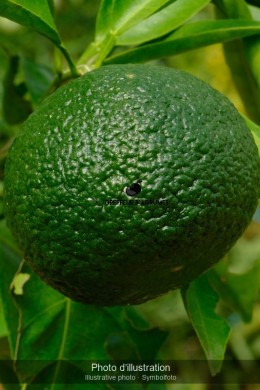 Tavares Limequat
down to −7 °C · €29.75
-
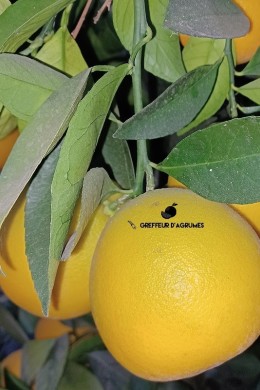 Cara Cara Orange
down to −8 °C · €35.00
-
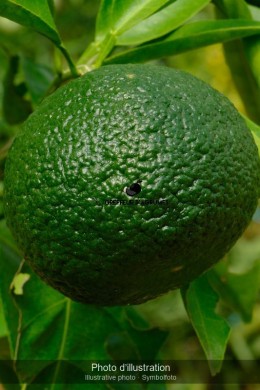 Glauca
down to −8 °C · €38.00
See all 27 available plants that withstand −6 °C
Sold out for now: 15 other plants
On their page, “Notify me” lets you know when they are back: Dom Joao Orange, Fragola Orange, Hassaku, Iyo Mikan Tangor, Mandalate Mandarin, Moro Orange, Ota 38 Tangor, Salustiana Orange, Sciara x Clem Blood Tangor, Seminole, US SuperNa, Ugli, Vaniglia Sanguigno Orange, Wekiwa Tangelolo, Z194 Ichangensis x Sinensis.
The others: in a pot, brought in for the winter
Lemons, limes and less hardy citrus (more tender than −6 °C): in a large pot, outdoors from spring to autumn and brought into a bright, frost-free room for the winter. All our citrus trees.
−15 °Cone winter in ten
Cerdagne and Capcir
Font-Romeu-Odeillo-Via, Mont-Louis, Saillagouse, Bourg-Madame, Sainte-Léocadie, Formiguères, Les Angles
See the citrus trees for this area
The high plateaus of the Cerdagne and the Capcir, from 1,300 to 1,500 m: −15 °C one winter in ten and −12 °C in an ordinary winter. The Capcir is clearly colder: Formiguères falls to −17.9 °C, while Sainte-Léocadie, in the Cerdagne, stays at −13.0 °C. Citranges, Yuzu and Yuzu 3 spend the winter in the ground here without protection, but only just: keep a fleece ready for exceptional nights, especially in the Capcir. The other yuzus and the hardiest satsumas live here with a fleece at each frost; keep the other citrus trees in pots.
Formiguères
The soil of the area and the rootstock
According to the soil map, this area mostly has ordinary brown soils and acid soils.
Rootstock to favour: Poncirus.
Your plot may be different. Look at the Géoportail soil map (in French) around your home, then refine with our 5-step test.
In open ground, without protection
They withstand −15 °C. In the first years, a fleece on nights below −5 °C is a sensible precaution.
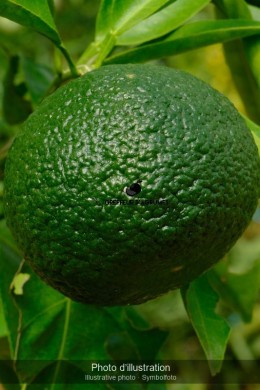
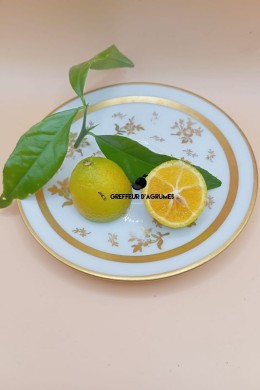
In open ground, with a fleece on frosty nights
They withstand −12 °C. A winter fleece put on at each frost and removed as soon as the frost stops, and a sheltered spot against a south-facing wall.
-
Satsuma China S-2
down to −12 °C · €41.00
-
Changsha Mandarin
down to −12 °C · €38.00
-
Sudachi Seneca
down to −12 °C · €42.00
-
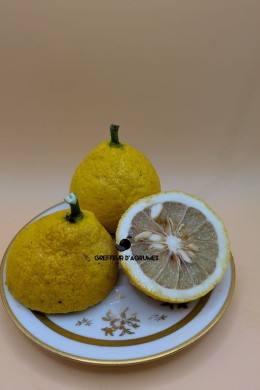 Trivoss No. 1
down to −14 °C · €35.00
-
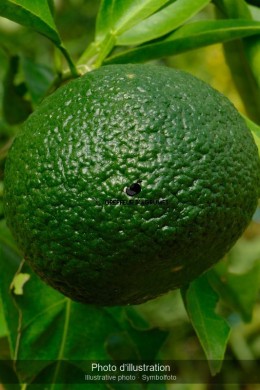 Citrangeremo
down to −14 °C · €29.75
-
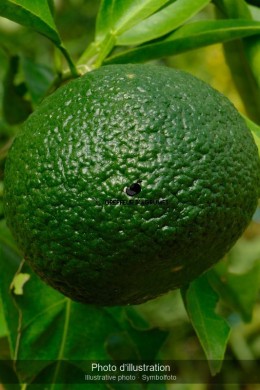 Clemyuz
down to −12 °C · €38.00
-
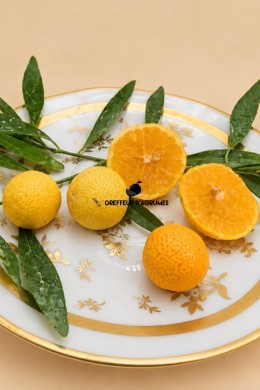 Eremorange
down to −12 °C · €35.00
-
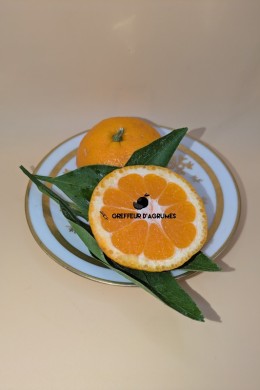 Satsuma Owari FS
down to −12 °C · €42.00
See all 14 available plants that withstand −12 °C
Sold out for now: 9 other plants
On their page, “Notify me” lets you know when they are back: Ambersweet, Auline, Bendizao Mandarin, Satsuma Dobashi Beni, Satsuma Kowano, Satsuma Louisiana, Satsuma Saigon, Satsuma Waze, Thornless Yuzu.
The others: in a pot, brought in for the winter
Lemons, limes and less hardy citrus (more tender than −12 °C): in a large pot, outdoors from spring to autumn and brought into a bright, frost-free room for the winter. All our citrus trees.
Readings from the Météo-France stations (winters 1996-1997 to 2025-2026)
| Station | Altitude | Ordinary winter | One winter in ten | Record | Winters at −9 °C or below |
|---|---|---|---|---|---|
| Cap Béar (Port-Vendres) | 72 m | 0.8 °C | −2.1 °C | −2.7 °C (14 December 2001) | 0 out of 30 |
| Le Perthus | 295 m | −2.7 °C | −5.4 °C | −6 °C (9 February 2012) | 0 out of 30 |
| Vivès | 261 m | −2.9 °C | −4.9 °C | −7.3 °C (8 February 2012) | 0 out of 28 |
| Perpignan | 42 m | −3.6 °C | −5.7 °C | −6 °C (15 February 2010) | 0 out of 30 |
| Saint-Paul-de-Fenouillet | 300 m | −3.6 °C | −6.6 °C | −7.3 °C (8 February 2012) | 0 out of 21 |
| Torreilles | 7 m | −4.5 °C | −7 °C | −8.1 °C (27 February 2018) | 0 out of 30 |
| Amélie-les-Bains | 252 m | −4.6 °C | −6.2 °C | −7.4 °C (12 February 2012) | 0 out of 25 |
| Serralongue | 700 m | −6 °C | −8.9 °C | −9.7 °C (12 February 2012) | 2 out of 30 |
| Baillestavy | 585 m | −7.2 °C | −9 °C | −9.6 °C (11 March 2010) | 2 out of 20 |
| Eus | 321 m | −7.7 °C | −10.1 °C | −10.9 °C (15 February 2010) | 5 out of 29 |
| Sainte-Léocadie | 1320 m | −10.6 °C | −13 °C | −13.9 °C (27 January 2005) | 14 out of 21 |
| Formiguères | 1495 m | −13.9 °C | −17.9 °C | −18.6 °C (11 March 2010) | 21 out of 21 |
“Ordinary winter”: half of the winters go colder, the other half less cold. “One winter in ten”: this cold is reached or exceeded in about one winter in ten. Calculations by the Greffeur d'agrumes nursery.
How to read these figures
The hardiness given on our product pages is the cold that an adult, healthy and hardened citrus tree withstands during a short frost. We compare it with the cold that comes back about one winter in ten: a plant listed “without protection” withstands at least that cold. In harsher winters, about three in thirty, keep a winter fleece ready for the coldest nights.
Very harsh winters are still possible. On 15 February 2010, Eus fell to −10.9 °C and Perpignan to −6.0 °C; on 11 March 2010, Formiguères recorded −18.6 °C. On 27 February 2018, Torreilles, by the sea, fell to −8.1 °C. Such cold can burn the leaves or a few shoots of a citrus tree that is only just hardy enough. Wait for spring to see what grows back before pruning.
To understand what helps a tree get through frost, read Understanding citrus hardiness.
Our advice for the Pyrénées-Orientales
- On the coast, choose according to the cold in your garden. The rocky coast is favoured: Cap Béar only falls to −2.1 °C one winter in ten, and lemon trees live outdoors there. The sandy coast is less so: Torreilles falls to −7.0 °C.
- Shelter them from the wind. The tramontane dries out the leaves and makes frosty nights worse. Plant behind a hedge or a wall, sheltered from the north-west.
- Avoid hollows. Cold air flows down and collects at the bottom of valleys and in basins. Plant halfway up a slope or against a south-facing wall, never at the lowest point of the garden.
- Choose the rootstock for your soil. The soil is often acid on the rocky coast and in the lower valleys, sometimes chalky in the Conflent. Poncirus is the most cold-resistant; in acid soil, 4475 adapts better, in a large hole with improved soil and with more water in summer; in chalky, dry soil, FA5 does better. In chalky or heavy soil, plant on a mound. Our 5-step test helps you choose: Which rootstock should you choose?
- Plant in spring, once the frosts are over. The tree then has a whole season to take root before its first winter.
- Protect young plants on nights below −5 °C during the first years. Put the winter fleece on at each frost and take it off as soon as the frost stops.
- Mulch in summer only, against drought, without the straw touching the trunk. Pull it away from the foot of the tree at the end of autumn: moisture at the collar encourages phytophthora.
Frequently asked questions
Can I plant a lemon tree in the ground in Perpignan?
Yes, with a fleece. Lemon trees withstand about −5 °C, and the Roussillon plain falls to around −4 °C in an ordinary winter and −6 °C one winter in ten. Plant it against a south-facing wall, sheltered from the tramontane, and cover it at each frost. On the Côte Vermeille, it does without a fleece. You will find them in Lemons and lemon substitutes.
Which citrus trees withstand the cold best in the Pyrénées-Orientales?
On the plain and in the lower valleys, almost all our citrus trees spend the winter outdoors. In the Conflent, satsumas, yuzus, kumquats and citranges also do without protection. In the Cerdagne and the Capcir, citranges, Yuzu and Yuzu 3, which withstand −15 °C, live in the ground without protection, but only just; the other yuzus (Yuzu 30, thornless, Tada Nishiki) and the hardiest satsumas need a fleece there at each frost; keep the others in pots. They are brought together in Hardy citrus.
What about orange trees and clementines?
They withstand −7 to −9 °C depending on the variety. On the Côte Vermeille, they spend the winter outdoors without protection. On the Roussillon plain and in the lower valleys, they also do without. In the Conflent, the hardiest clementines stay outdoors without protection; orange trees and the other clementines need a fleece on frosty nights. In the Cerdagne and the Capcir, keep them in pots.
My town is not listed: which area should I choose?
Take the nearest area at the same altitude, then compare with the nearest station in the table of readings. Take off about one degree for every 150 m of extra altitude, and one or two degrees if you are in a hollow.
These figures are guidelines. Your garden may be milder or colder than the nearest station. A question about your plot? Write to us.
Sources: Météo-France, daily basic climatological data (data.gouv.fr, Licence Ouverte 2.0); near the eastern border, also the Deutscher Wetterdienst (Datenlizenz Deutschland 2.0); towns, altitudes and boundaries: INSEE, IGN (Admin Express, RGE ALTI) and geo.api.gouv.fr (Licence Ouverte); soils: dominant soil map INRAE / Gis Sol (Licence Ouverte). Topsoil lime: LUCAS, European Commission, JRC (ESDAC, Ballabio et al. 2019).